
A Client Guide to Maximizing the New York Estate Tax Exemption and Avoiding the “Cliff”
1. New York's Estate Tax Works Differently
Unlike the federal system, New York does not allow portability of the estate tax exemption between spouses. This means that when the first spouse dies, any portion of that spouse’s New York Basic Exclusion Amount (“BEA“) that is unused is lost forever. The surviving spouse cannot inherit the unused exemption. If assets are titled primarily in one spouse’s name—or pass automatically to the survivor through joint ownership or beneficiary designations—the first spouse may die with an estate too small to fully use their exemption. This can significantly increase New York estate tax owed at the survivor’s later death.
2. The New York “Cliff” and Why It Matters
New York imposes a steep penalty for estates that exceed the BEA. Once an estate is more than 105% of the BEA, the entire taxable estate becomes subject to New York estate tax—not just the amount over the threshold.
Example: A person with a $7.8 million estate when the BEA is $7.35 million would be about $450,000 over the threshold. Because of the “cliff,” New York will tax the entire estate, producing a tax liability significantly larger than the amount by which the estate exceeds the exemption. The taxes would be $746,000 while the excess over the exemption is only $450,000.
This dynamic makes estate equalization between spouses especially important: if one spouse dies with too large an estate and no planning, the cliff may be triggered.
3. How Couples Can Preserve Both Exemptions
To ensure each spouse fully uses their New York exemption, couples should:
A. Equalize Asset Ownership
Each spouse should hold enough assets—through individual titling or lifetime transfers—to fully utilize their own BEA at death. This avoids wasting the first spouse’s exemption and reduces the risk of the survivor later falling victim to the cliff.
Planning strategies include shifting assets between spouses, annual exclusion gifting, and structuring revocable and irrevocable trusts to balance projected estate sizes.
B. Use Credit Shelter (Bypass) or Disclaimer Trusts
Properly drafted wills and revocable trusts can direct assets up to the BEA into a credit shelter trust or disclaimer trust at the first spouse’s death. This trust:
- Uses the deceased spouse’s exemption so that it is not wasted.
- Keeps growth outside the survivor’s taxable estate.
- Allows the survivor continued access to funds, through mandatory and/or discretionary trustee-authorized distributions.
C. Review Beneficiary Designations and Titling
Even good documents fail if assets are not aligned. Transfer on Death (TOD) designations for bank and investment accounts, beneficiary designations for retirement accounts, and joint accounts must be examined to ensure the intended amount flows into the credit shelter structure.
D. Be Mindful of New York’s 3-Year Gift Add-Back
Certain lifetime gifts made within three years of death are added back into the donor’s New York estate when calculating estate tax. This timing rule can affect equalization strategies involving lifetime gifting.
4. Putting It All Together
Because New York provides no portability, couples must plan proactively. Proper asset titling, lifetime transfers, coordinated trust planning, and annual review of estate values help ensure both spouses fully benefit from their New York exemptions—and avoid unnecessary estate taxes, including the cliff.
If you’d like us to review your current asset structure or run a projection similar to the examples referenced above, we are happy to assist.
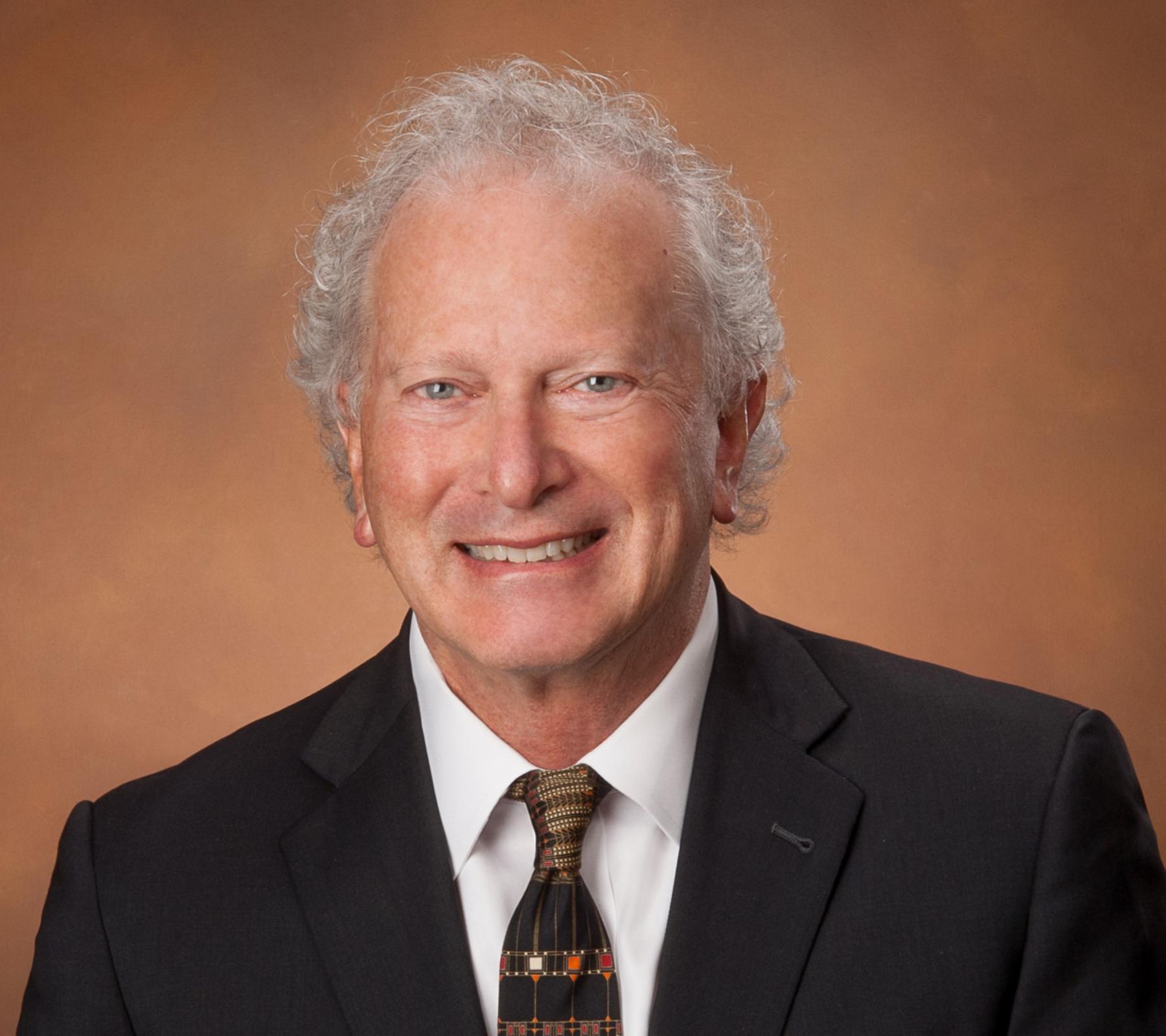
David A. Holstein
Individuals seeking to preserve their wealth, pass down a family business, or maximize the value of their companies need intelligent planning that reflects in-depth knowledge of business, tax and estate law—and the certainty that the professional providing this sensitive level of service can be trusted. For over 30 years, individuals and businesses have trusted David Holstein to protect and position their assets for optimal growth, minimize their tax liabilities, and listen, understand and respond to their concerns.
David creates highly sophisticated wills, trusts and pre-marital agreements for his Estate Planning clients, allowing him to personalize these documents in accordance with each client’s specific wishes. David’s unique depth and breadth of expertise, his attention to detail, and his constant attention to the newest planning strategies and to developments in the law, gives him the skills to successfully guide his clients in all areas of estate planning.
Learn more about David >>>
dholstein@bhlawpllc.com | 315-701-6301
This article is for informational purposes only and does not constitute legal advice. Readers should consult with an attorney regarding their circumstances.